
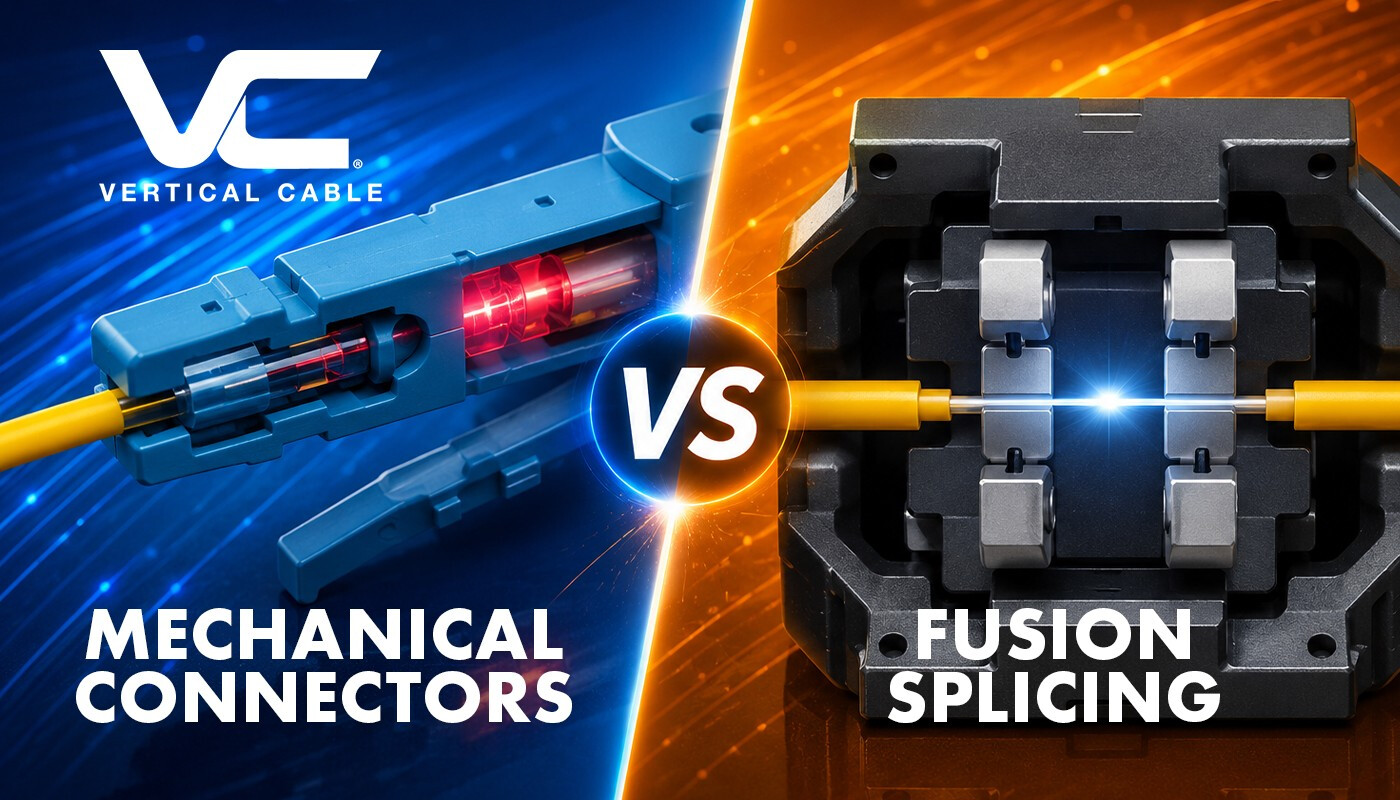
As fiber deployments continue to expand across broadband, enterprise, security, and AV-over-IP infrastructure, installers are increasingly looking for faster, more cost-effective field termination methods. Mechanical fiber connectors provide a practical solution for many applications by eliminating the need for expensive fusion splicing equipment while still delivering reliable optical performance.
From FTTH (Fiber to the Home) deployments and enterprise backbone upgrades to field repairs and temporary restorations, mechanical connectors have become an important part of modern fiber installations. Their portability, simplified installation process, and lower startup costs make them especially attractive for contractors, integrators, and field technicians working in fast-paced deployment environments.
In this guide, we’ll explain how mechanical fiber connectors work, compare them to fusion splicing, review common applications, discuss best practices, and walk through the complete termination process.
What is a Mechanical Fiber Connector?
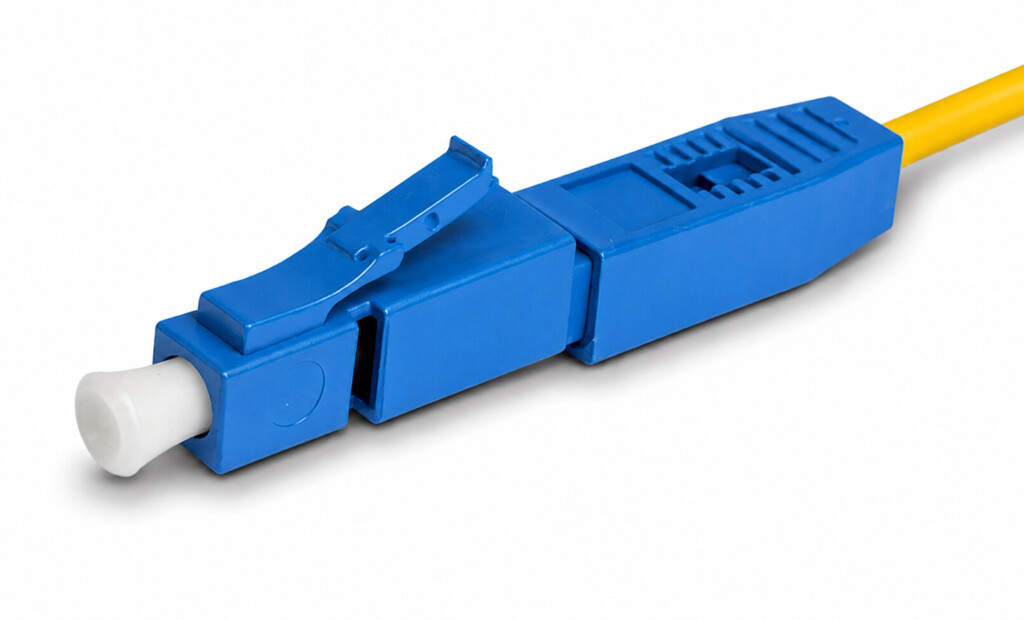
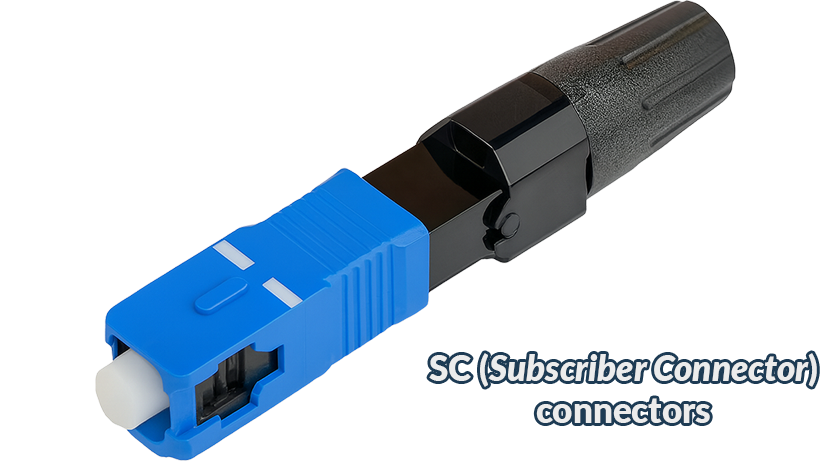
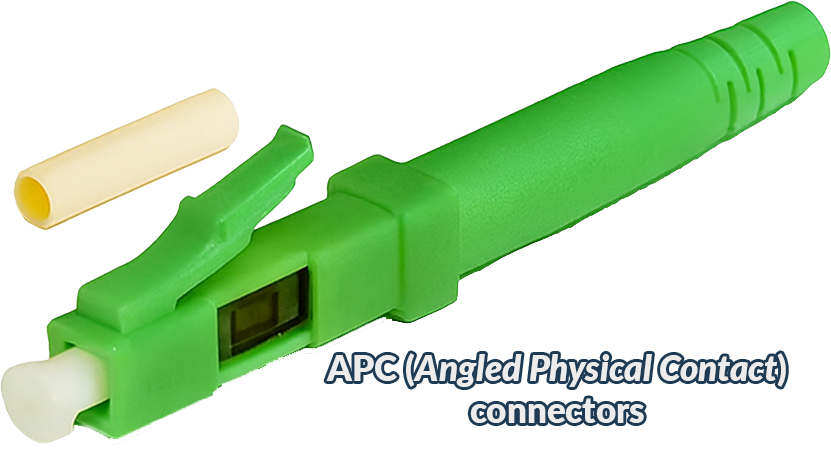
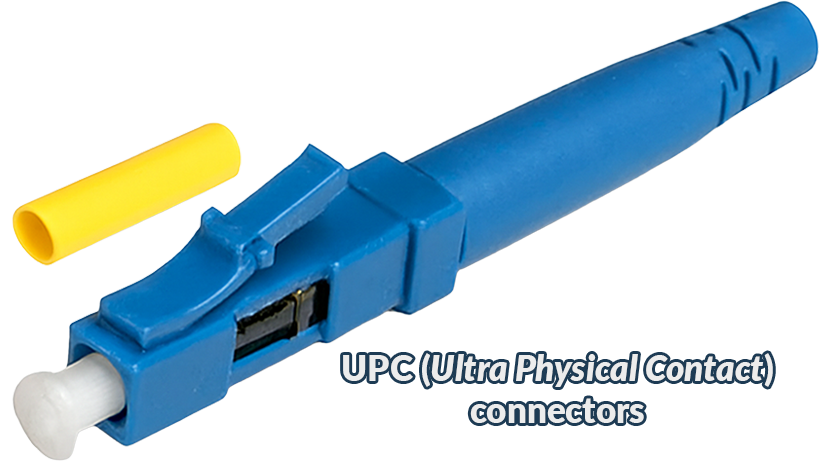
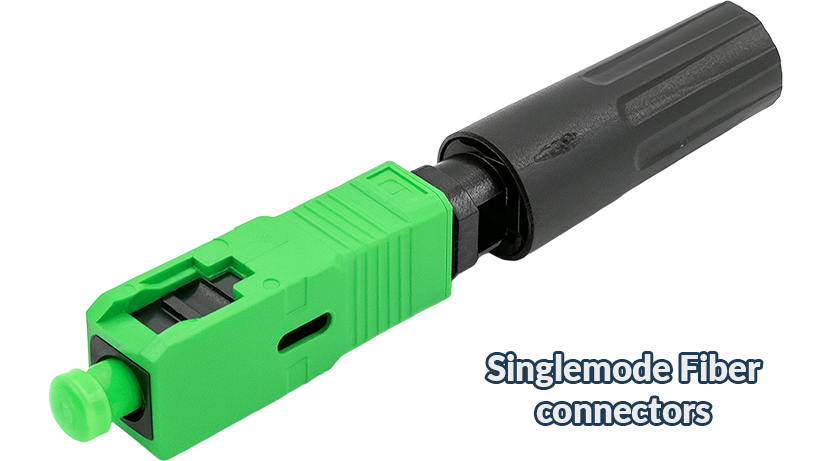
A mechanical fiber connector is a field-installable fiber optic connector that mechanically aligns optical fibers without requiring a fusion splicer. These connectors are commonly used for fast field terminations and are often referred to as:
- No-polish fiber connectors
- Field-installable fiber connectors
- Fast connectors
Unlike fusion splicing, which permanently welds fiber strands together using an electric arc, mechanical connectors use an internal alignment mechanism to position the fibers precisely within the connector body.
Mechanical connectors are available in various configurations, including:
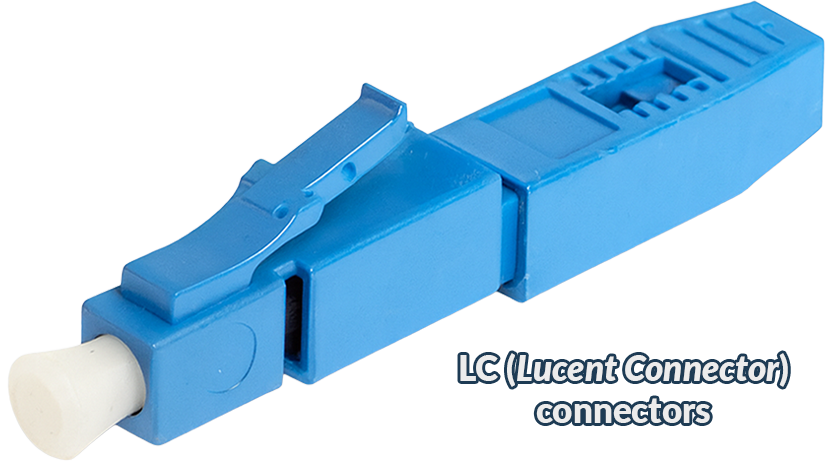 |  |
 |  |
 | 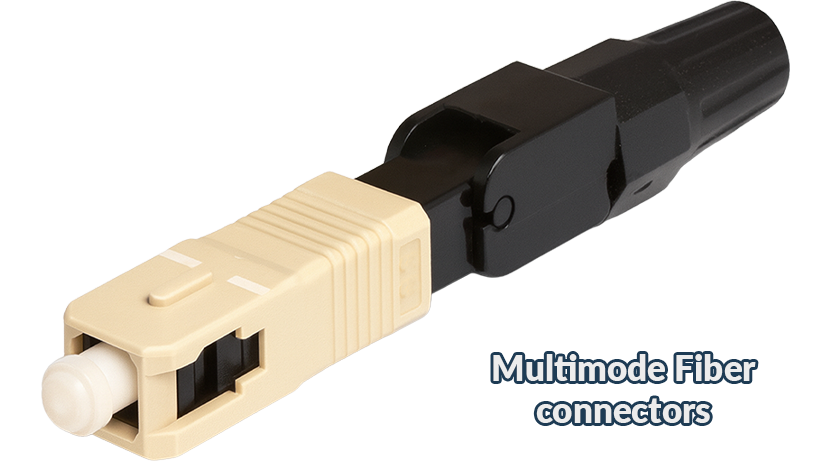 |
These connectors are widely used in FTTH deployments, enterprise networks, security systems, broadband infrastructure, industrial applications, and data center environments.
For additional fiber optic installation standards and educational resources, organizations such as BICSI, The Fiber Optic Association (FOA), and Fiber Broadband Association provide valuable industry guidance.
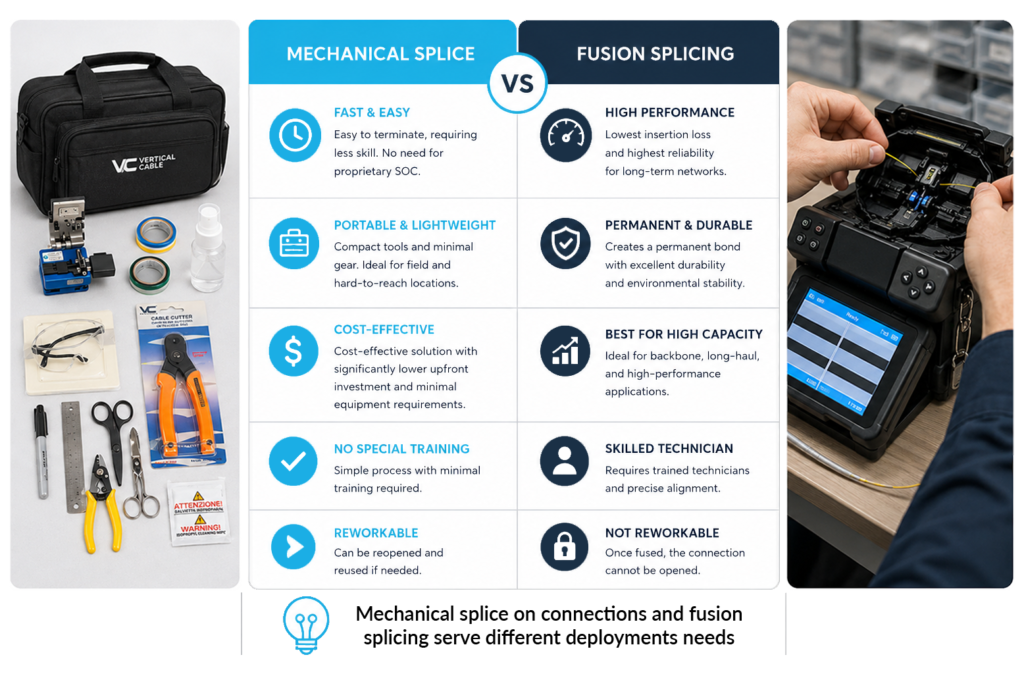
Mechanical Connectors vs. Fusion Splicing
Fusion splicing remains common in ultra-low-loss backbone environments and high-density carrier infrastructure where maximum long-term optical performance is required.
Advantages of Mechanical Fiber Connectors
Faster Installations Mechanical connectors allow technicians to terminate fiber quickly without extensive setup procedures or specialized splicing equipment. | Lower Startup Costs Compared to expensive fusion-splicing equipment, mechanical connector setups cost a fraction as much. |
No Fusion Splicer Required One of the biggest advantages is eliminating the need for expensive fusion-splicing machines, making fiber termination more accessible to smaller contractors and field technicians. | Portable and Contractor-Friendly Installers working in broadband expansion, surveillance, enterprise networking, or industrial environments often benefit from the mobility and simplicity of mechanical fiber termination systems. |
Excellent for Field Repairs Mechanical splice connectors are highly effective for emergency fiber restoration, temporary repairs, and remote deployments where portability matters. | Ideal for FTTH Deployments As fiber broadband infrastructure continues expanding, mechanical splice connectors provide an efficient solution for many last-mile and subscriber-side installations. |
Common Applications for Mechanical Fiber Splicing
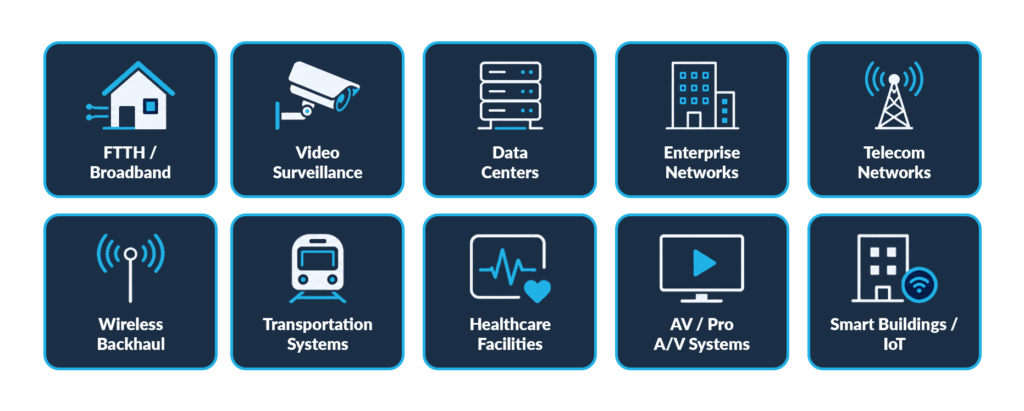
As network infrastructure continues to evolve toward higher bandwidth and fiber density, field-installable fiber connectors remain valuable tools for technicians who require flexible and efficient termination methods.
Tools Required for Mechanical Fiber Termination
Maintaining clean tools and proper fiber-preparation practices is critical to minimizing insertion loss and achieving reliable termination performance.
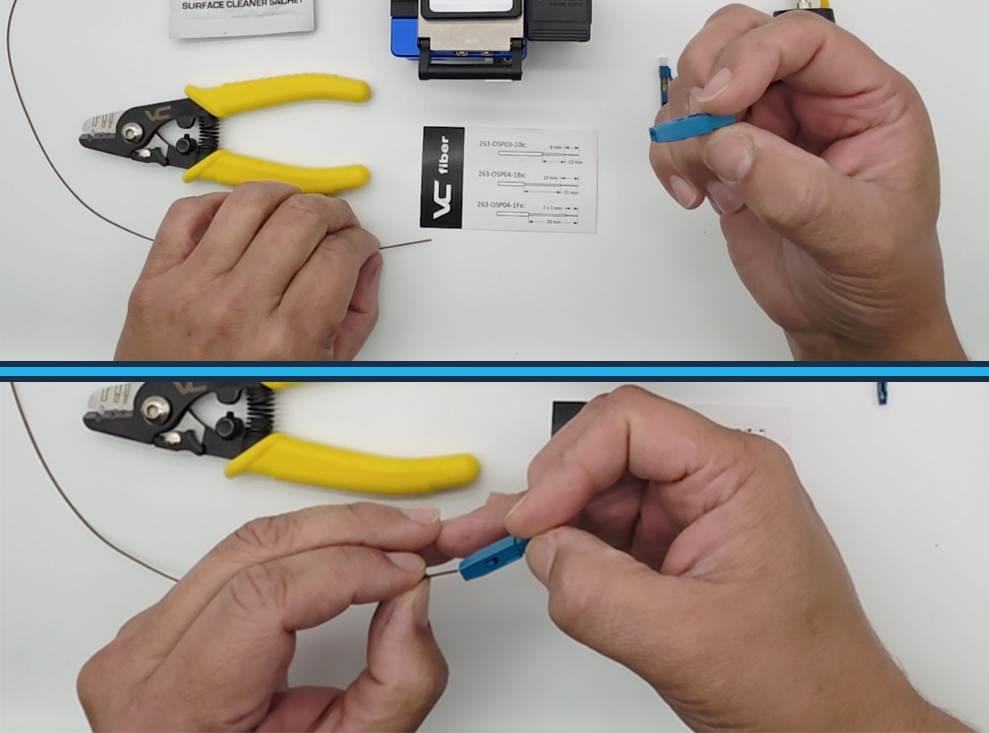
How to Terminate a Mechanical Fiber Connector
Install the Boot
Slide the boot onto the fiber cable before terminating. This step is easy to forget — the boot must be on the cable before the connector is attached.
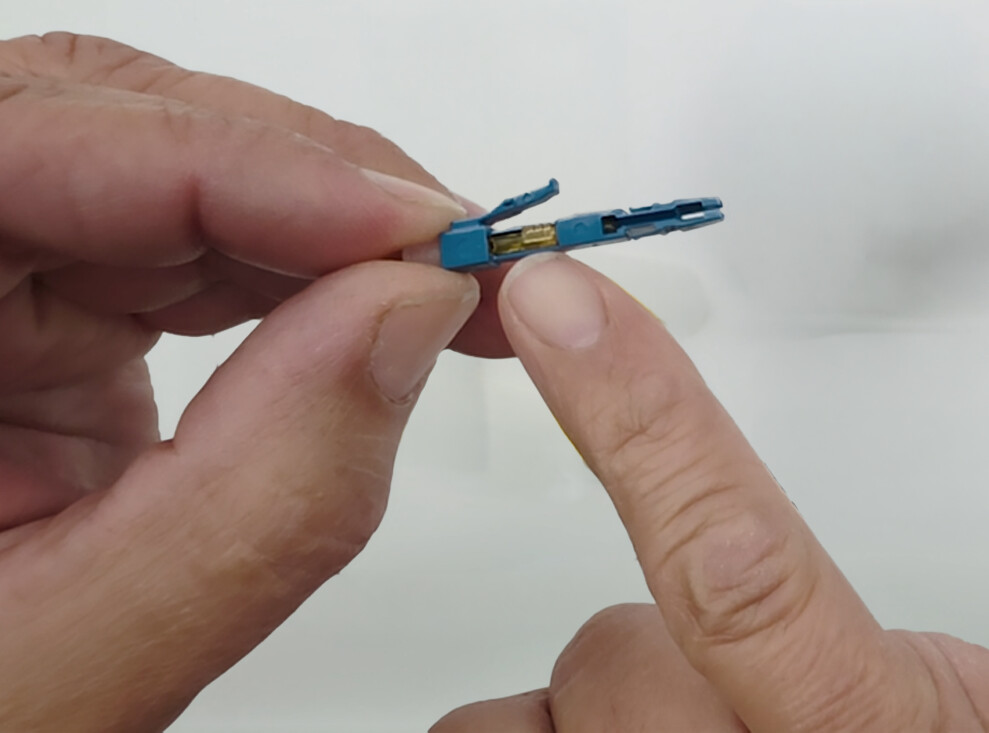
Verify Connector Position
The locking clip must be in the DOWN position before inserting fiber. Inserting fiber with the clip up is one of the most common installation errors.
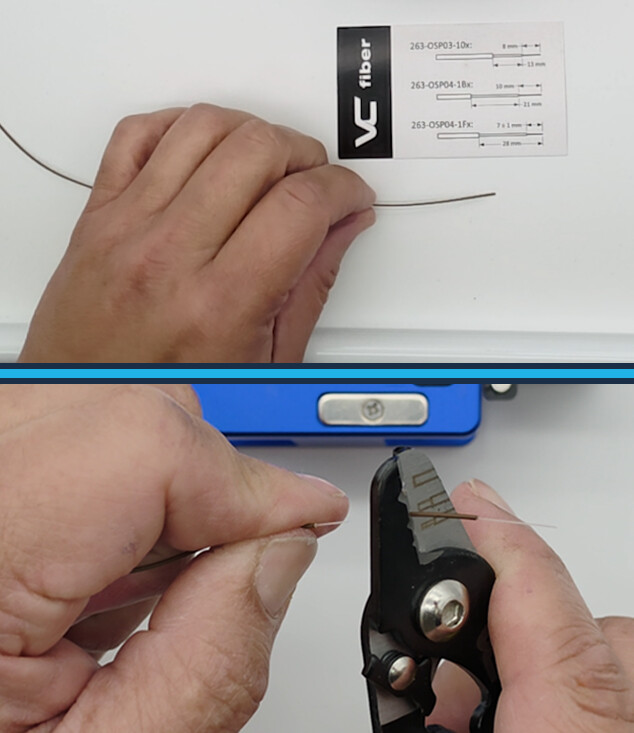
Strip the Fiber
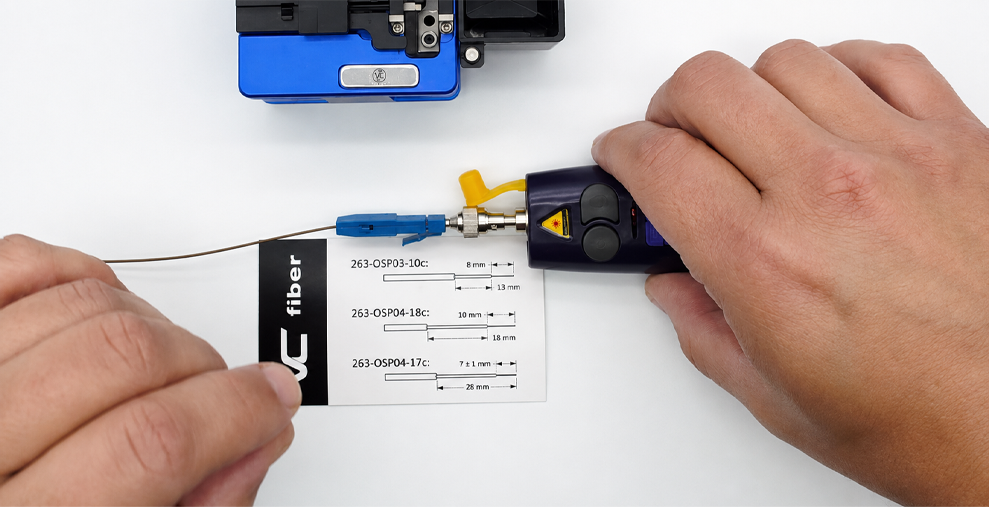
Remove 20mm of jacket and 7mm of coating per the reference card. Use a three-step stripper for clean, consistent results.
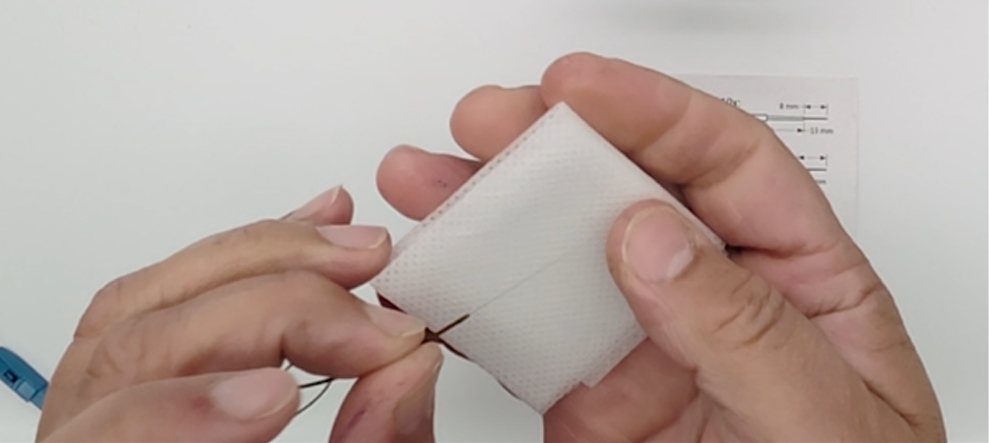
Clean the Fiber
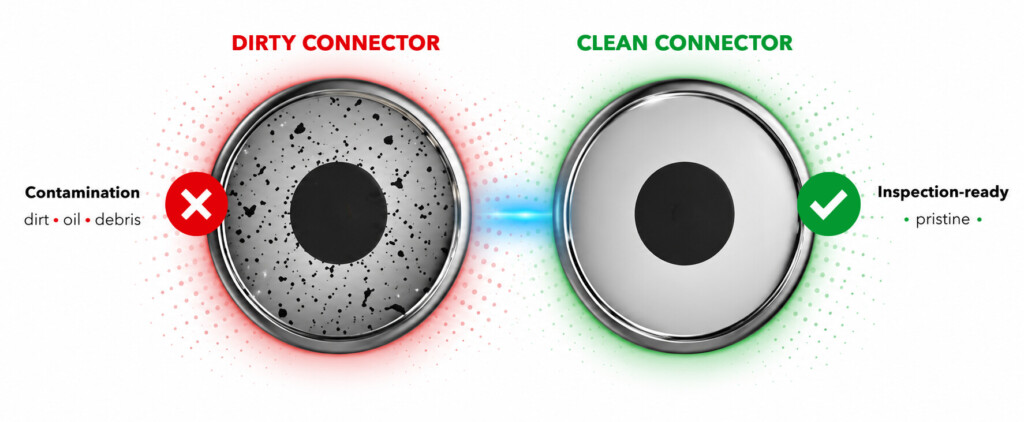
Wipe thoroughly with an alcohol pad before cleaving. Contamination is the leading cause of poor insertion loss. One firm, deliberate wipe — don’t re-wipe.
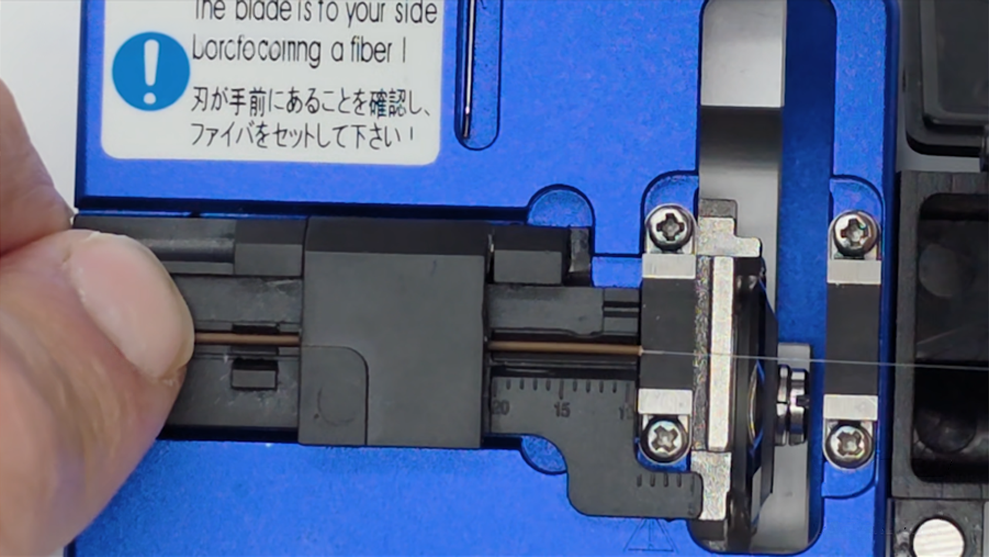
Cleave the Fiber
Place fiber in the cleaver groove and cleave to the reference card length. A clean, flat end face is critical — a bad cleave will cause high insertion loss.
Insert the Fiber
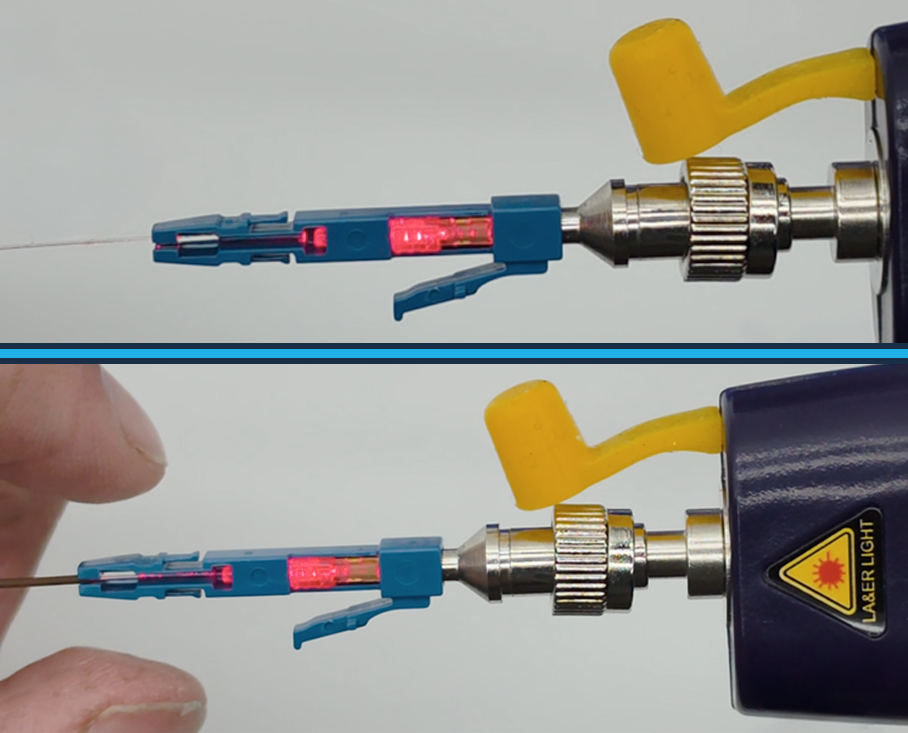
Remove the dust cap, attach the VFL adapter, insert fiber until fully seated, then lock the clip UP. The VFL glow confirms proper seating before you lock.
Complete the Termination
Slide the boot forward onto the connector body until fully seated. The termination is mechanically complete. Inspect for any visible damage before testing.
Verify the Connection
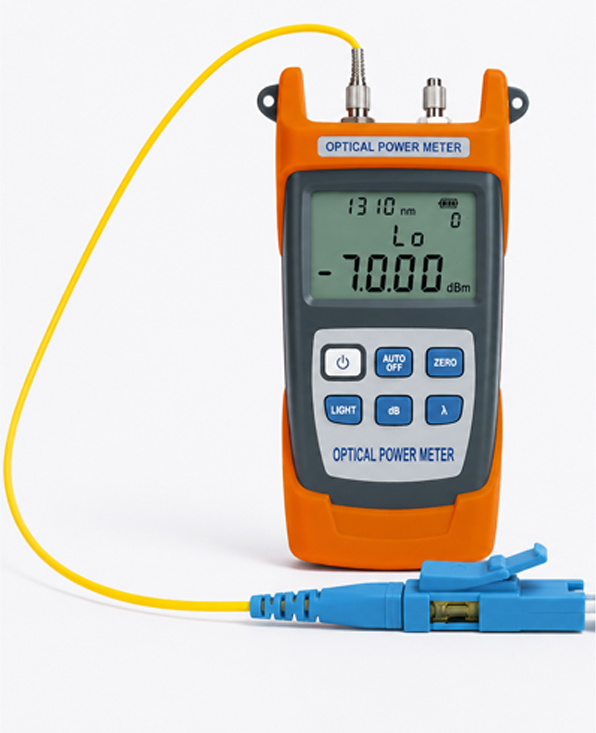
Test with optical test equipment per project requirements. A good mechanical termination should show ≤0.5 dB insertion loss. Document all readings for the project record.
Best Practices for Successful Mechanical Fiber Splicing
Maintain Cleanliness Contamination is one of the most common causes of fiber performance issues. Always clean exposed fiber thoroughly before termination. | Inspect Components Carefully Verify connectors, tools, and fiber surfaces are free from damage or contamination before installation. |
Use a High-Quality Cleaver Precise cleaving directly impacts insertion loss and connector performance. A clean cleave is essential for proper fiber alignment. | Test After Termination Using optical testing equipment after termination helps verify continuity and overall connection quality. |
Follow Connector Strip Length Always reference the manufacturer's strip-length guide to ensure proper seating within the connector. | Protect Fiber Bend Radius Improper bending can negatively impact optical performance and long-term reliability. |
For additional fiber optic installation best practices, consult standards and educational resources from TIA and The Fiber Optic Association (FOA).
Potential Limitations of Mechanical Connectors
- Performance depends heavily on cleave quality
- Insertion loss may vary depending on installation quality
- Environmental conditions can impact long-term reliability
- Some ultra-low-loss backbone environments may prefer fusion splicing
When properly installed and tested, however, mechanical splice-on connectors continue serving as highly effective solutions for many modern fiber applications.
Frequently Asked Questions
Are mechanical splice connectors reliable?
Yes. When properly installed, cleaned, and tested, mechanical splice connectors can provide reliable optical performance for many applications.
What tools are required for mechanical fiber splicing?
Typical tools include a fiber cleaver, fiber stripper, alcohol wipes, a VFL, and the mechanical splice connector itself.
Can you terminate fiber without a fusion splicer?
Yes. Mechanical connectors are specifically designed to enable fiber termination without fusion-splicing equipment.
What is insertion loss?
Insertion loss refers to the amount of optical signal power lost when light passes through a connector or splice. Mechanical connectors have a .5db nominal loss rate.
Are mechanical splice connectors good for FTTH installations?
Yes. Mechanical splice connectors are commonly used in FTTH deployments because they support fast and portable field termination.
What types of mechanical connectors are available?
Mechanical splice connectors are available in multiple styles, including LC, SC, APC, UPC, singlemode, and multimode configurations.
Can mechanical splice connectors be reopened?
Some mechanical splice-on connectors can be reopened and repositioned during installation if alignment adjustments are needed.
Explore Fiber Connectivity Solutions Browse Vertical Cable's full range of optical fiber products — mechanical splice-on connectors, bulk fiber cable, patch cords, enclosures, and more. verticalcable.com/optical-fiber → |