
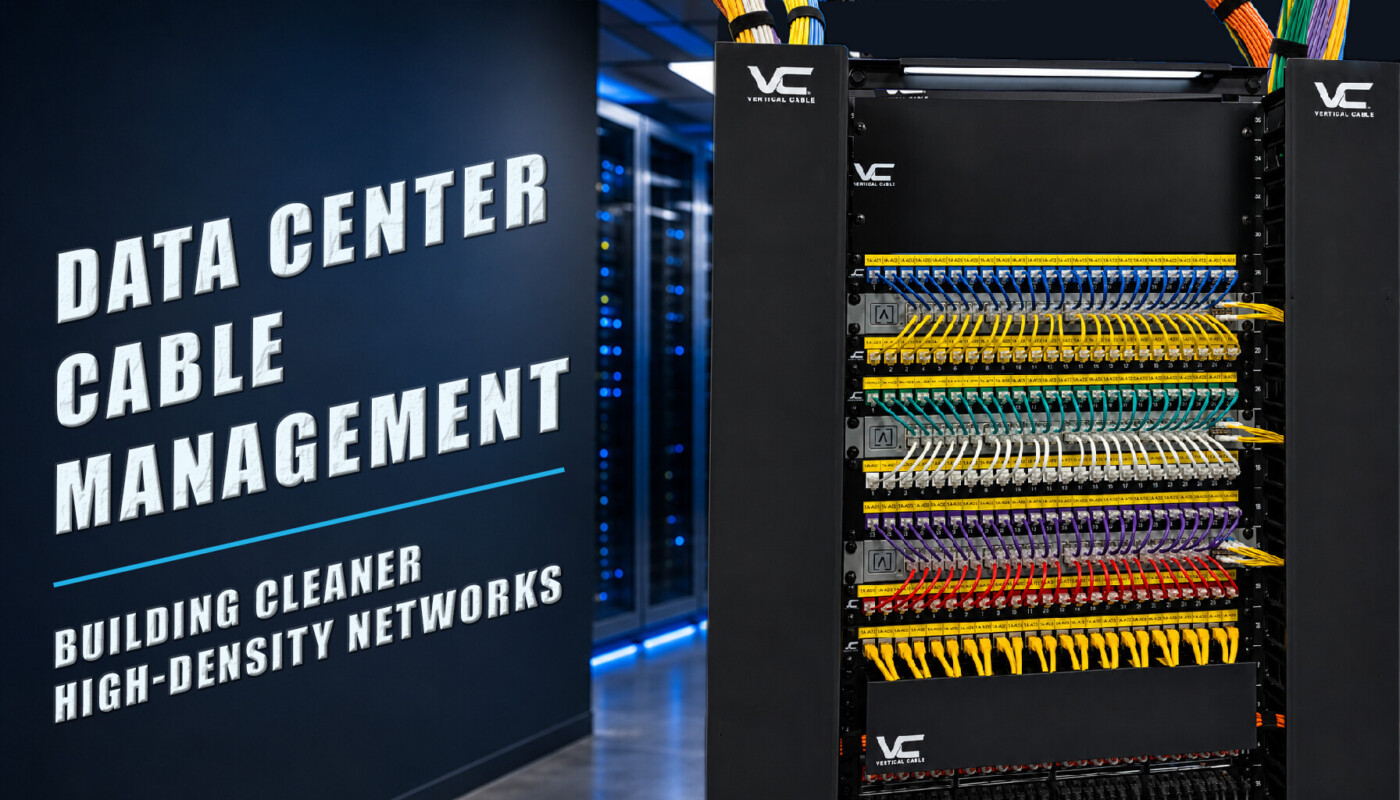
Modern networks are expected to support more users, more devices, and more bandwidth than ever before. From enterprise offices and healthcare facilities to educational campuses, security systems, and AV-over-IP deployments, today’s network infrastructure must deliver maximum performance while operating within limited physical space.
As network density increases, cable management becomes one of the most important factors affecting system organization, airflow, maintenance, and scalability.
The good news is that building a cleaner, more efficient network doesn’t require a complete redesign. By combining proper cable support, organized pathways, high-density connectivity, and professional installation tools, installers can significantly improve both performance and appearance.
Why Cable Management Matters in High-Density Networks
Poor cable management can lead to:
- Congested racks and cabinets
- Restricted airflow around active equipment
- Difficult troubleshooting and maintenance
- Longer installation times
- Reduced visibility of ports and labels
- Challenges when adding or relocating equipment
Industry standards and best practices emphasize organized pathways, proper cable support, clear cable identification, and structured routing to simplify maintenance and improve long-term scalability.
For larger deployments, standards such as ANSI/TIA-942 and BICSI guidance help establish best practices for telecommunications infrastructure and data center cabling design.
Start with Proper Cable Support
Good cable management begins long before cables reach the rack.
Bridle Rings
Bridle rings provide a simple and effective method for supporting low-voltage cabling while maintaining organized cable pathways throughout the installation.
Benefits include:
- Improved cable routing
- Reduced cable stress
- Organized pathways
- Easier future expansion
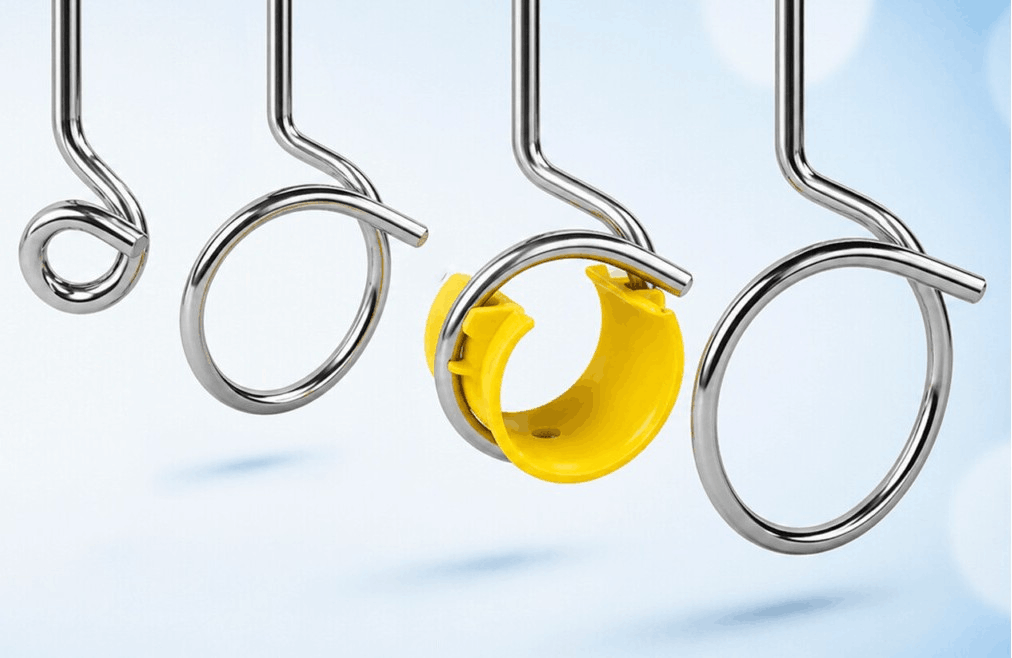
When properly installed, bridle rings help create structured pathways that simplify cable pulls and ongoing maintenance.
Secure Cables Without Compression
Hooks & Loop Cable Wraps
Cable bundles must remain organized without damaging cable performance.
Unlike traditional zip ties, hook & loop cable wraps can be adjusted and reused without over-compressing cable bundles.
Benefits include:
- Reusable design
- Faster moves, adds, and changes
- Cleaner cable organization
- Improved serviceability
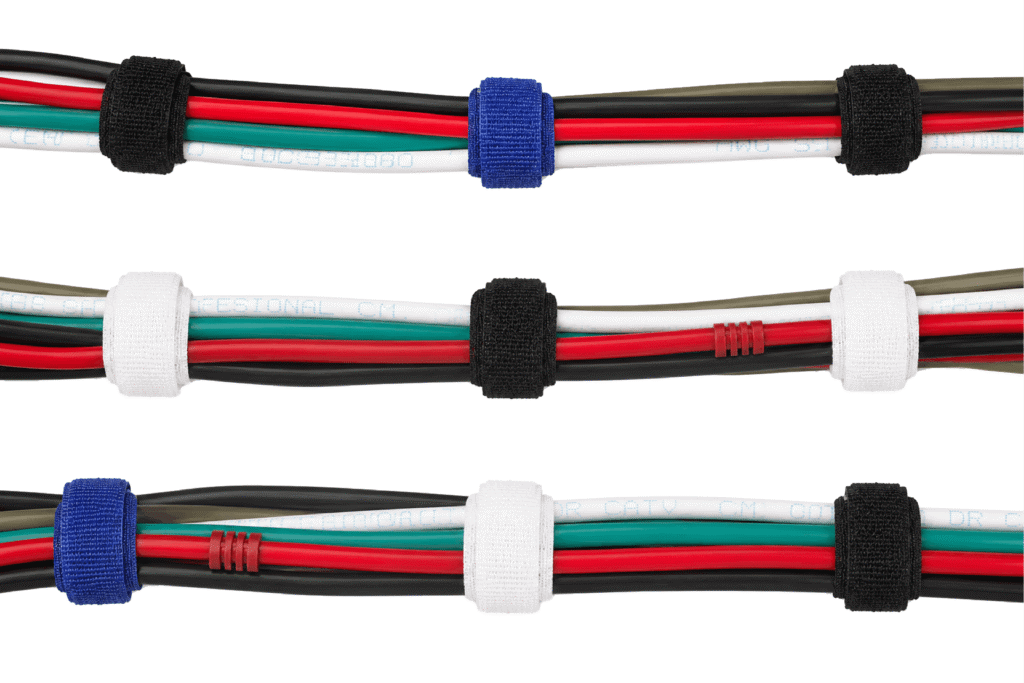
For structured cabling installations, hook & loop wraps are widely recognized as a preferred cable management solution.
Reduce Rack Congestion with 28 AWG Slim Patch Cords
One of the most overlooked contributors to rack congestion is often the patch cord itself.
Traditional patch cords can consume valuable space within network racks, making cable routing and maintenance more difficult.
Why Installers Choose Slim Patch CordsVertical Cable’s 28 AWG Slim Patch Cords help reduce cable bulk while improving organization and visibility. Benefits include:
These advantages become increasingly important in high-density environments where every rack unit matters. | Consistency Creates Better-Looking RacksInstallers know that not all patch cords are created equally. In short, patching applications, particularly six-inch connections, and inconsistent patch cord lengths can create an uneven appearance that stands out immediately. Vertical Cable’s slim patch cords are designed for consistent length and appearance, helping installers achieve clean, symmetrical rack layouts. For color-coded installations, six-inch slim patch cords are available in convenient 24-packs across 10 standard colors. |
Shop 077 Series – 28 AWG Slim Patch Cords The 077 Series is a CAT6A Slim Patch Cable engineered for high-density patching environments where space is at a premium. It includes multiple color options, a variety of lengths, and two pack sizes (1-pack & 24-pack). |
Maximize Rack Space with High-Density Patch Panels
Patch panels remain the foundation of organized, structured cabling systems.
Choosing the appropriate patch panel helps maximize rack utilization while simplifying future maintenance and network changes.
Recommended Solutions
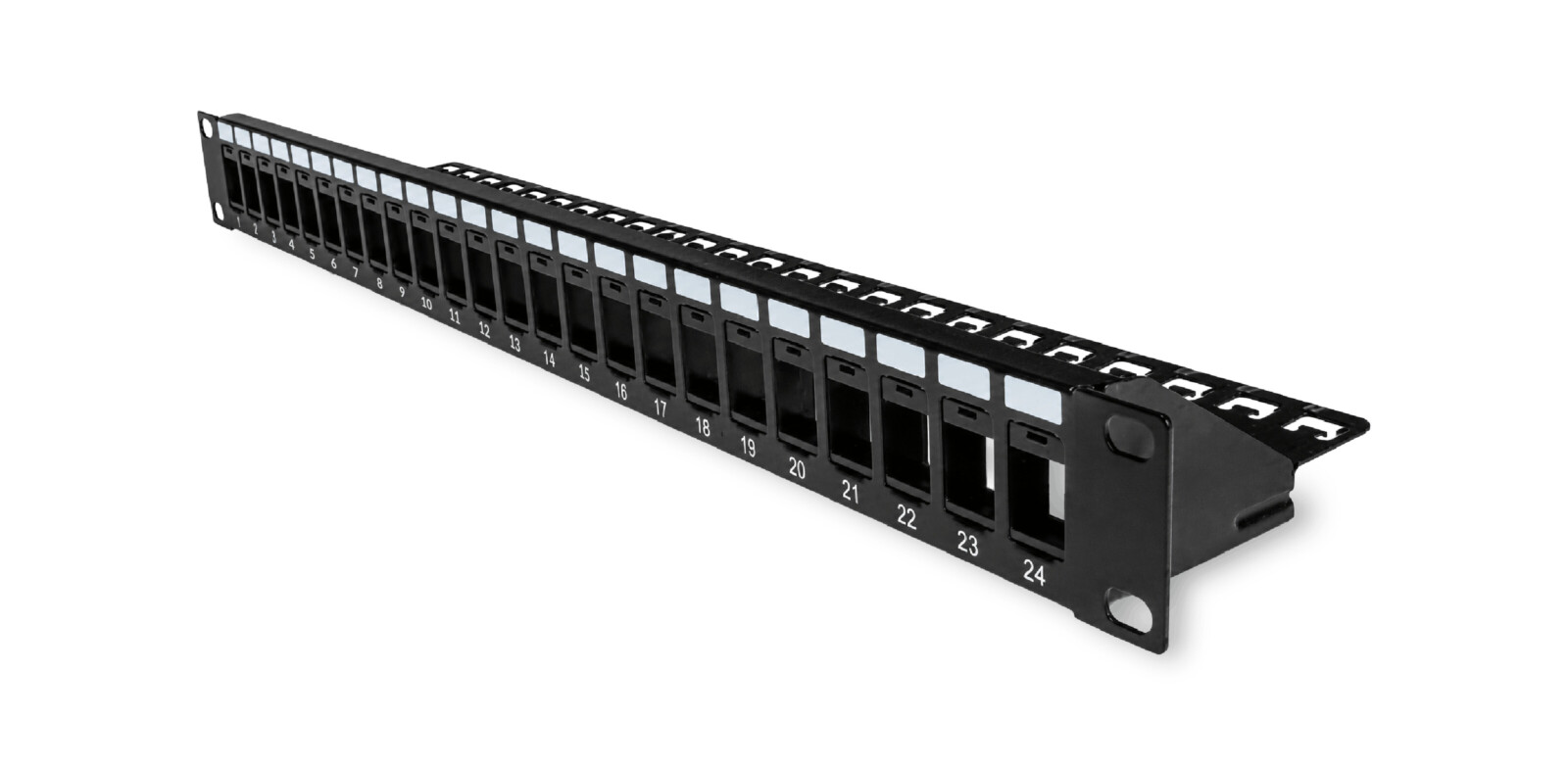 Ideal for smaller installations or projects requiring flexibility and future growth | 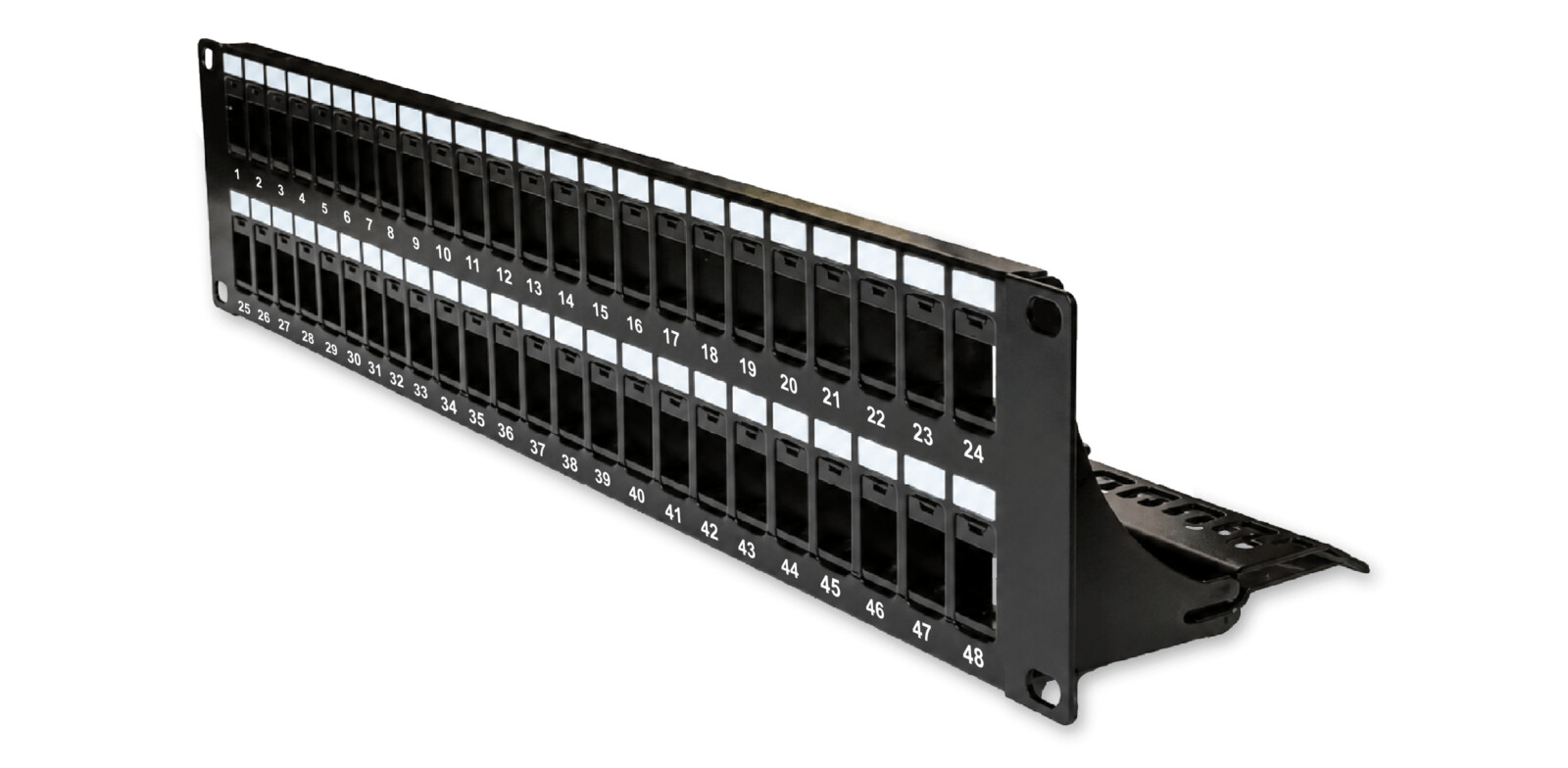 Designed to maximize port density while conserving valuable rack space. Combined with slim patch cords, high-density patch panels create organized, serviceable environments that are easier to manage and maintain. |
Reliable Connectivity Starts with Quality Keystone Jacks
Every cable run ultimately terminates at a point of connectivity.
Quality keystone jacks help ensure reliable network performance while supporting efficient installation practices.
Benefits of Keystone Jacks
- Reliable terminations
- Consistent performance
- Flexible deployment
- Support for data, voice, security, and AV applications
When paired with patch panels and slim patch cords, quality keystone jacks help complete a professional structured cabling solution.
Shop V-Max Keystone Jacks Vertical Cable’s Keystone Jacks deliver reliable connectivity in CAT5E, CAT6, and CAT6A, available in a variety of colors to match any installation. |
Improve Productivity with Professional Installation Tools
The right tools can dramatically improve installation speed and consistency.
I-Punch Tool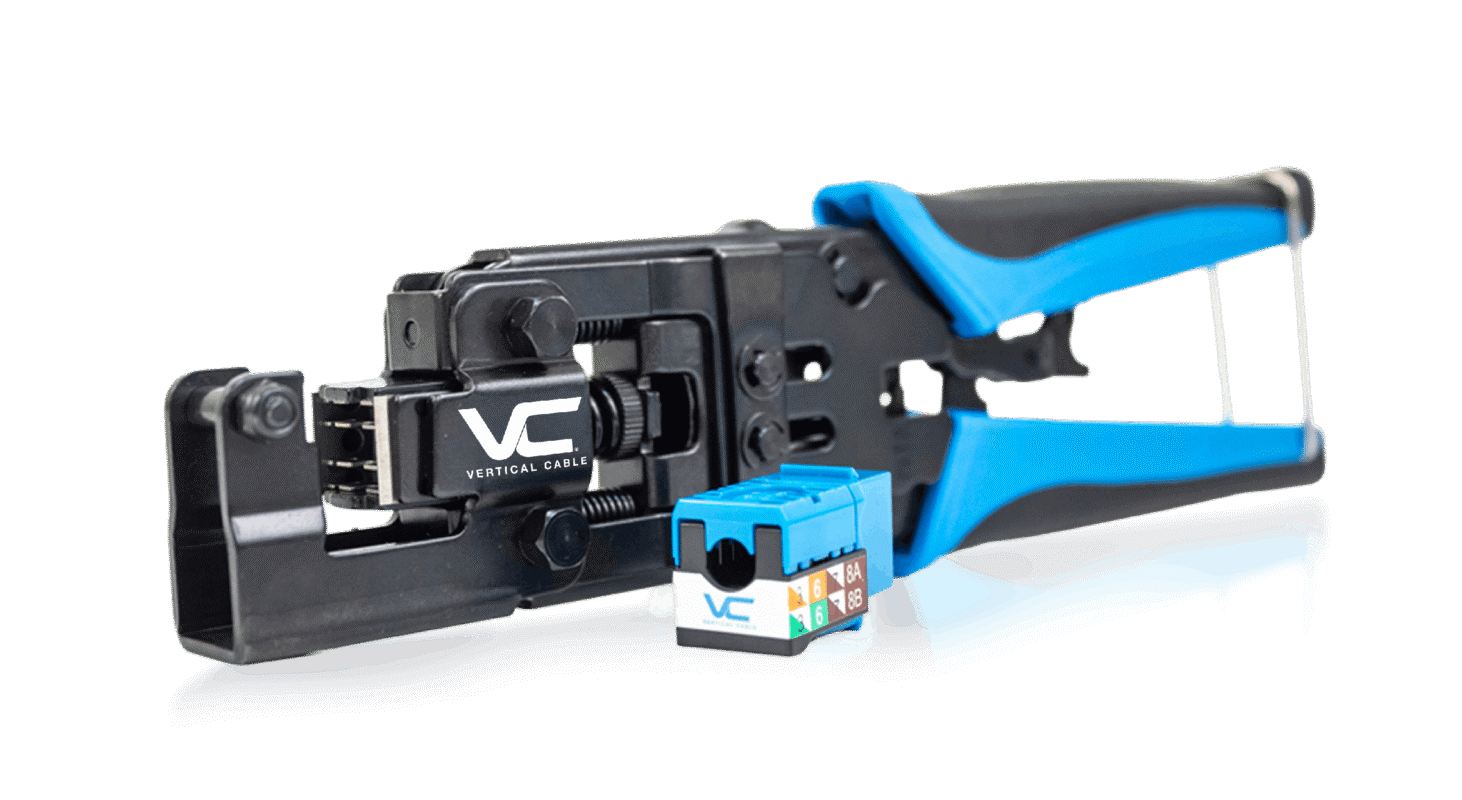 Designed specifically for keystone jack termination, the I-Punch Tool helps technicians complete installations faster while maintaining consistent results. Benefits include:
For projects involving dozens or hundreds of terminations, time savings can add up quickly. | RJ45 Crimp Tools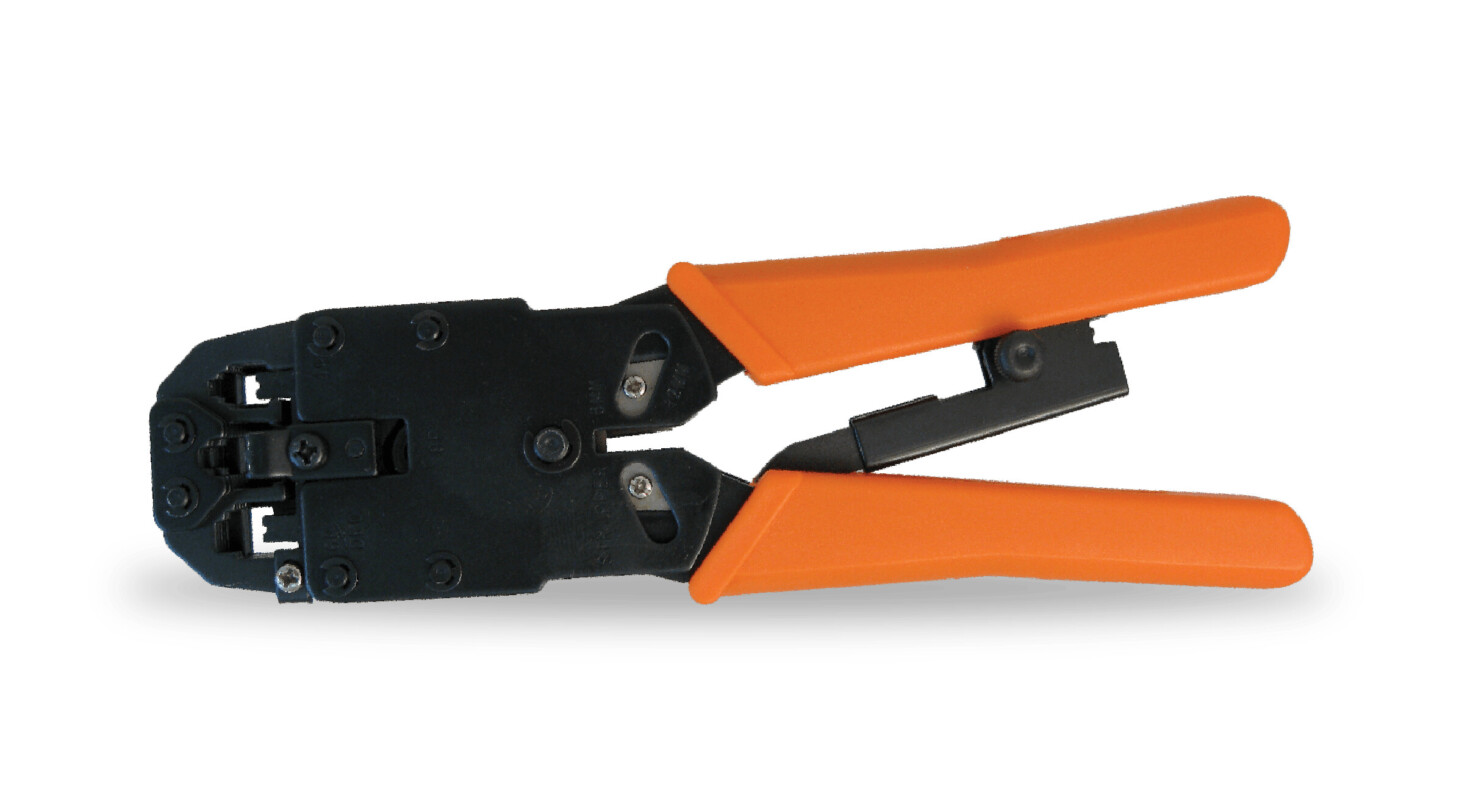 For custom cable assemblies and field terminations, professional crimp tools help ensure repeatable and reliable performance. |
Building a Complete High-Density Solution
Successful network installations rely on more than individual components.
The most efficient environments combine:
Bridle Rings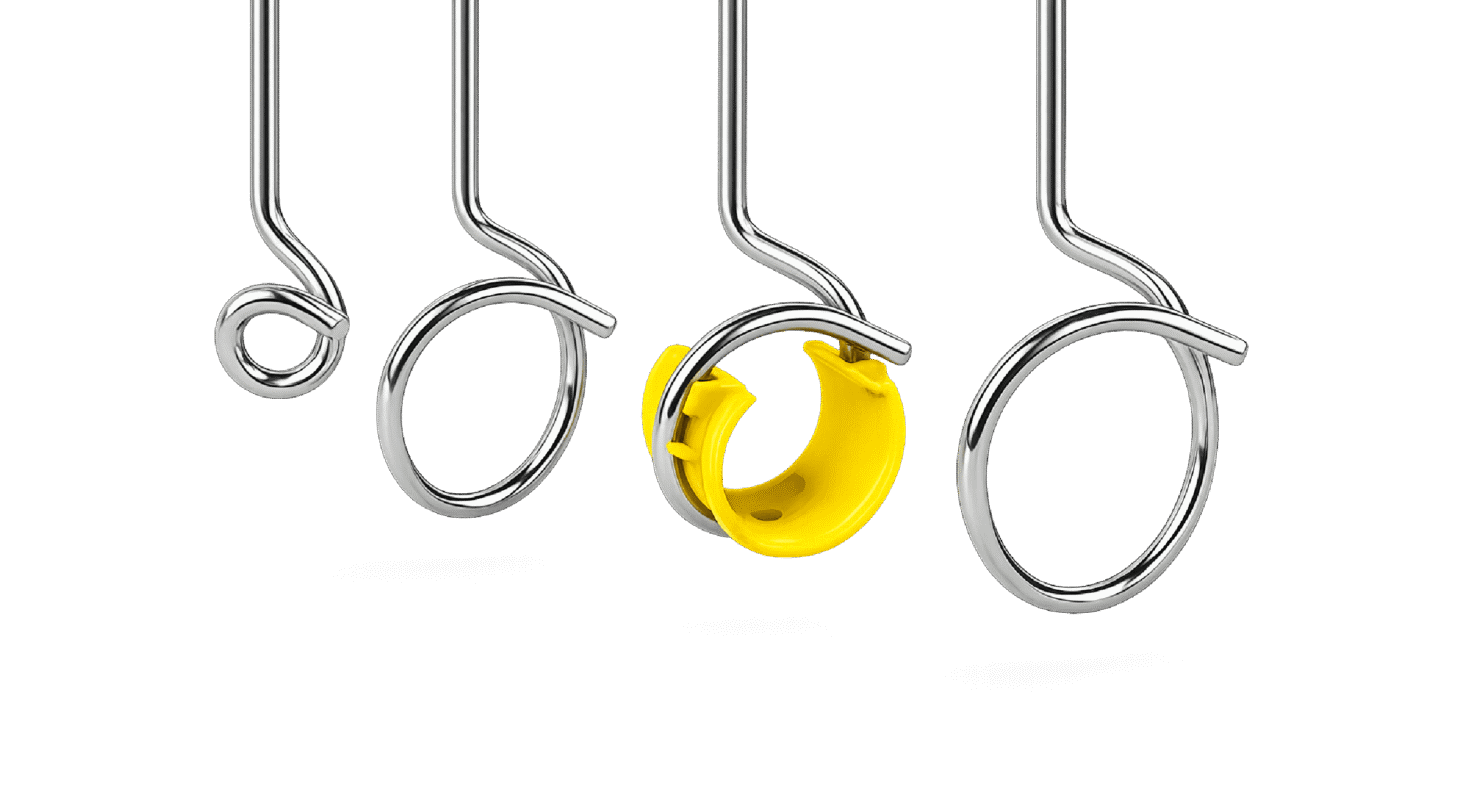 | Hook & Loop Cable Wraps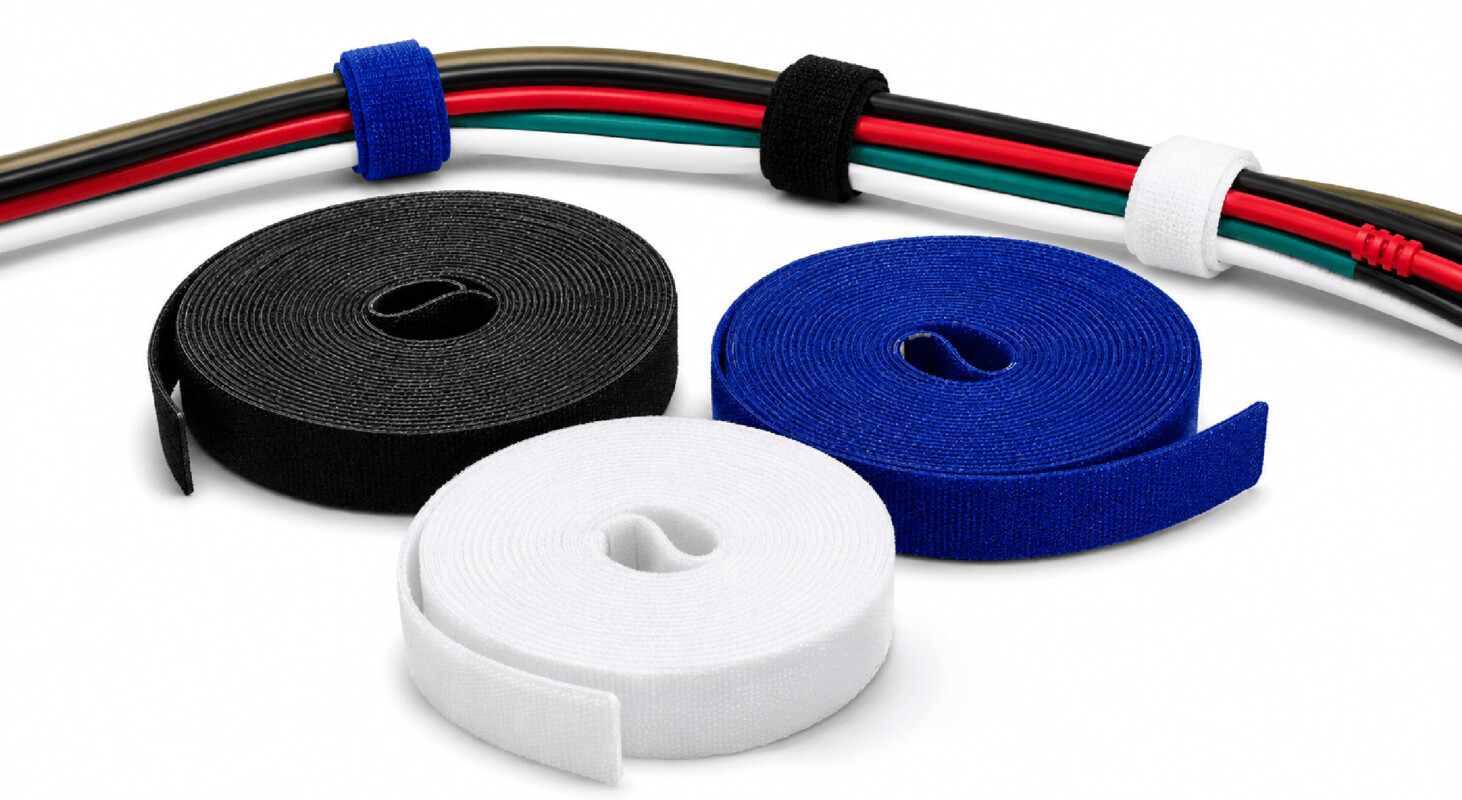 | Keystone Patch Panels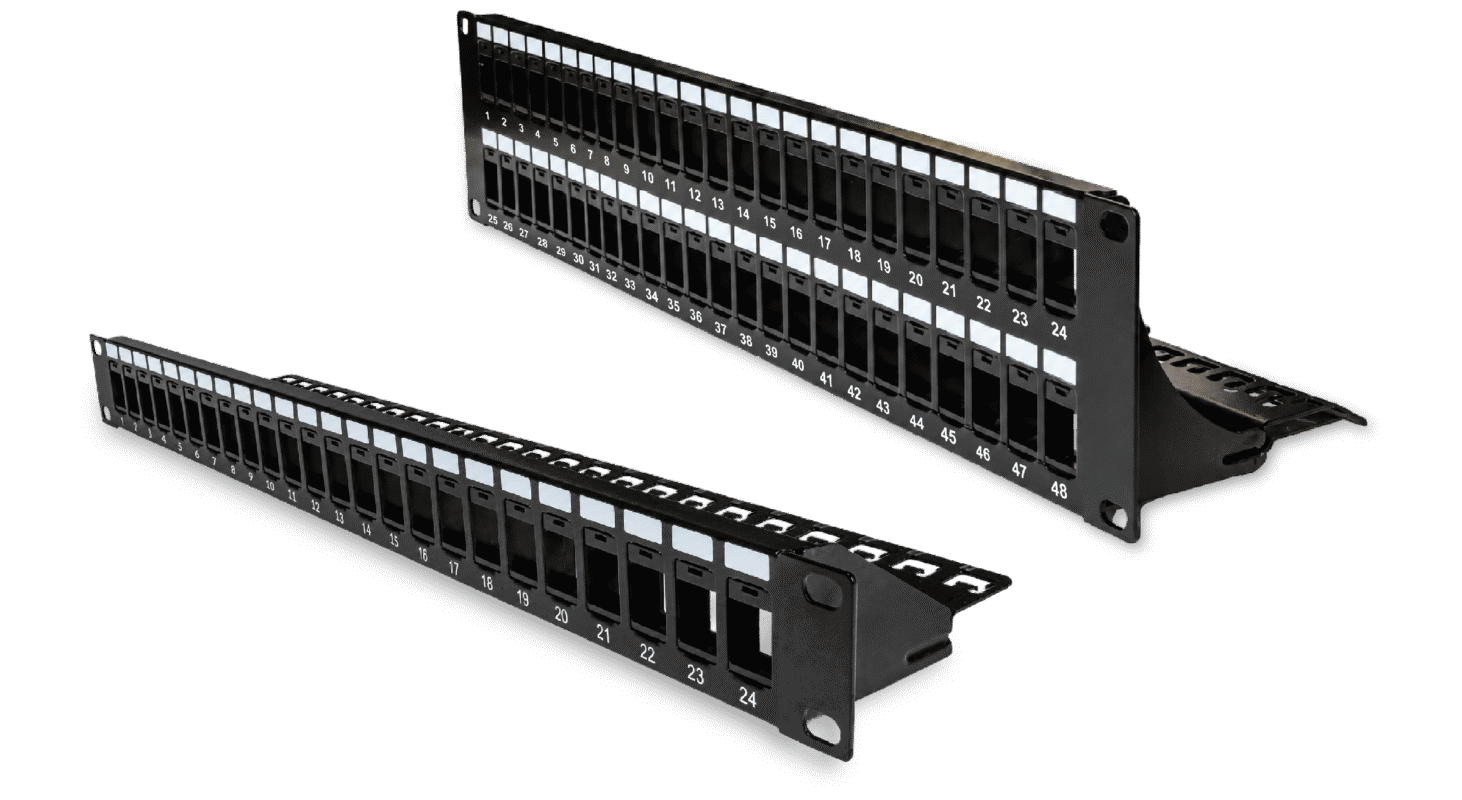 | ||
V-Max Keystone Jacks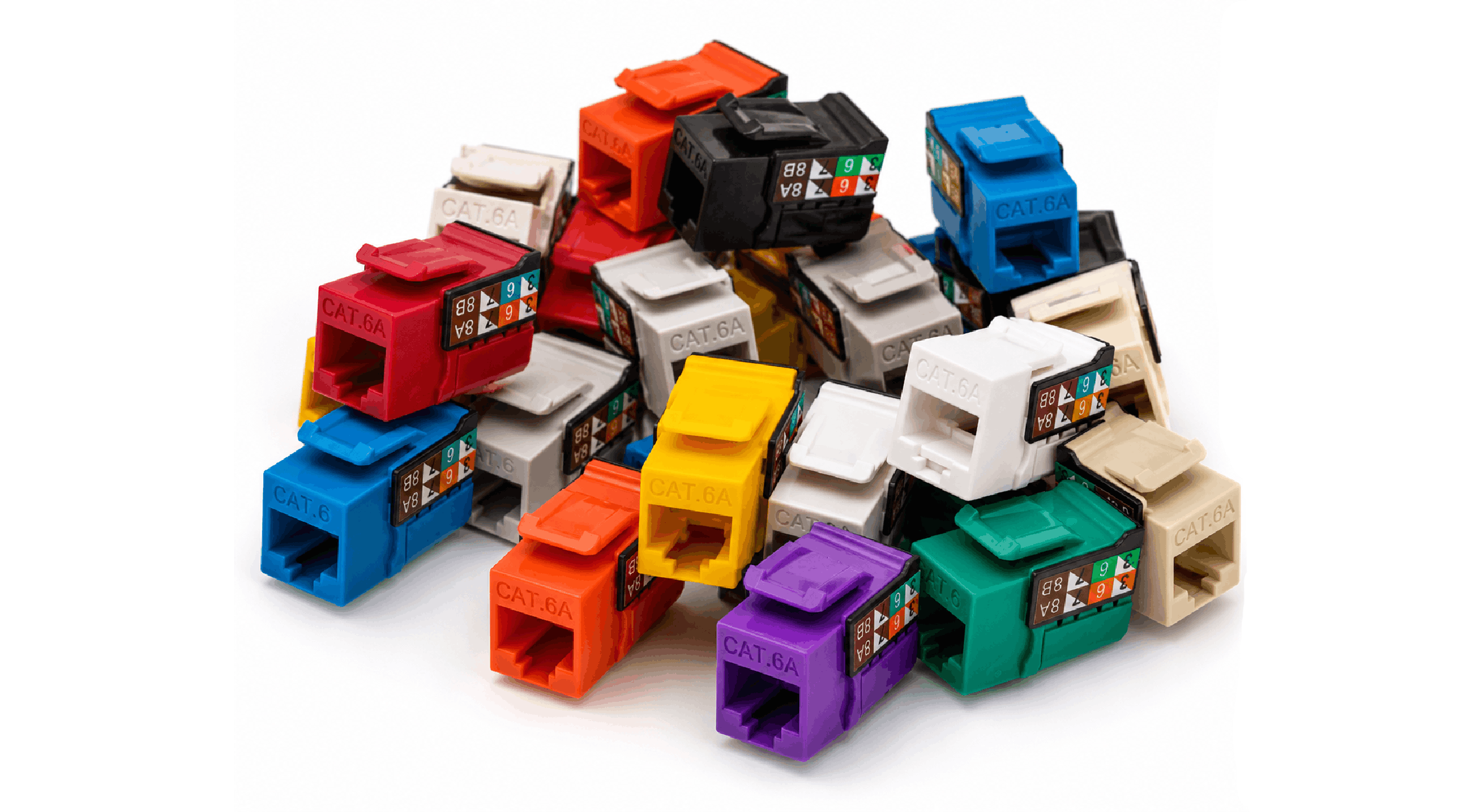 | 28 AWG Slim Patch Cords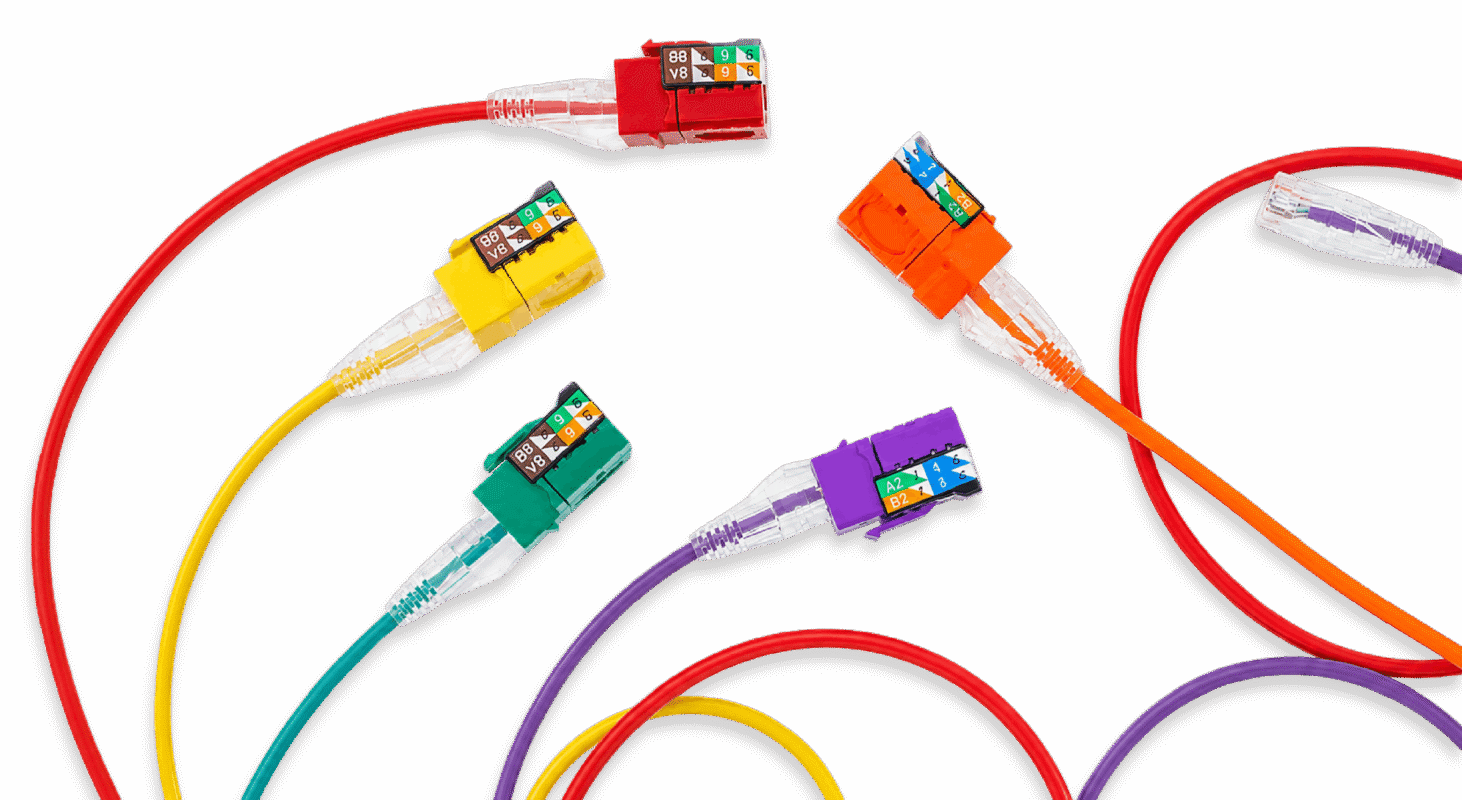 | I-Punch Tool & RJ45 Crimp Tools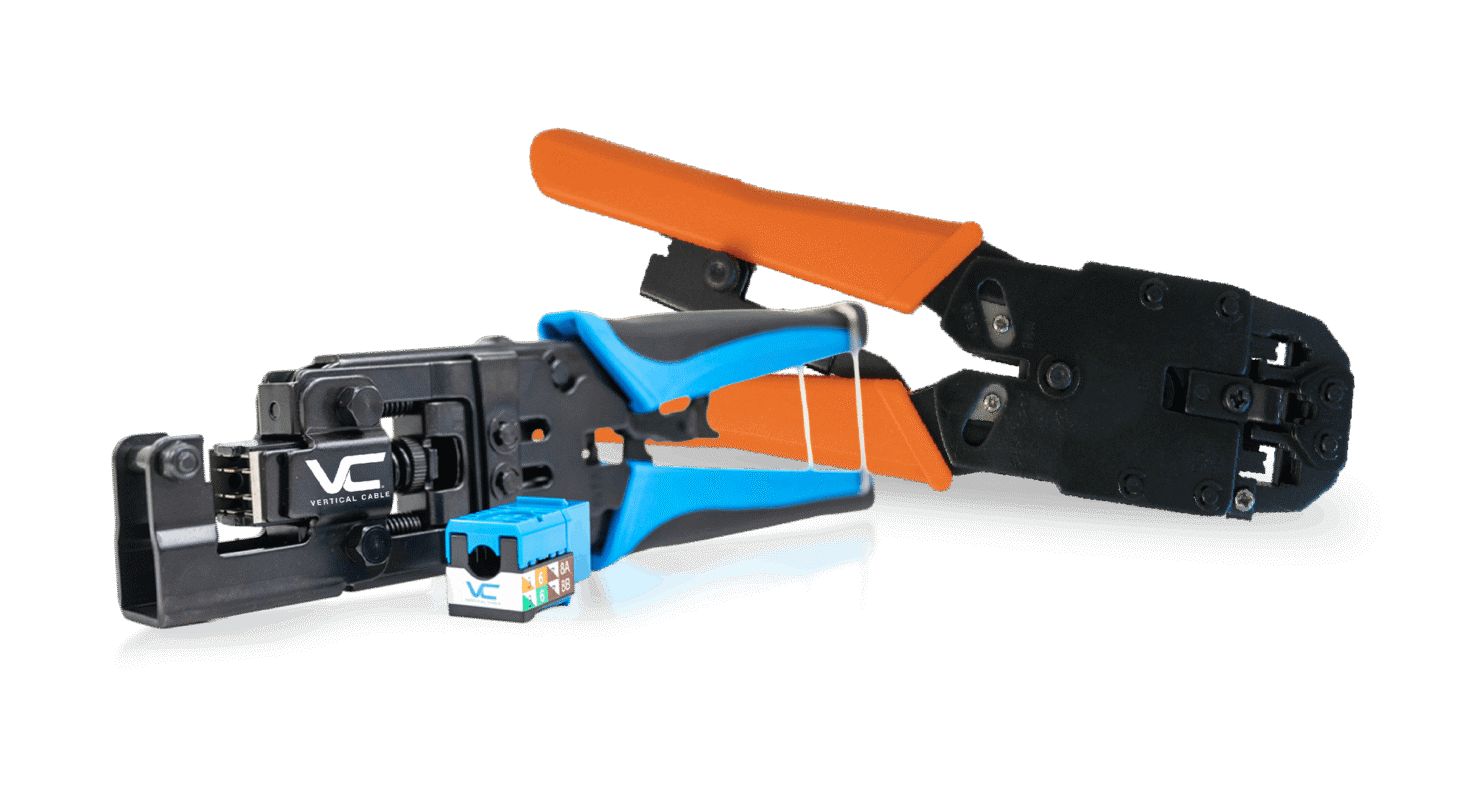 |
Together, these products help create organized, serviceable, and scalable network infrastructure that supports both current and future requirements.
Frequently Asked Questions
What are slim patch cords?
Slim patch cords use a reduced cable diameter, typically 28 AWG, to decrease cable bulk and improve cable management in high-density network environments.
Are 28 AWG patch cords reliable?
Yes. When manufactured to industry standards, 28 AWG slim patch cords deliver reliable network performance while offering significant cable-management advantages.
Why are slim patch cords used in data centers?
Their smaller diameter helps reduce cable congestion, improve airflow, increase visibility, and simplify maintenance.
How do I organize a network rack?
Effective rack organization starts with proper cable support, cable management products, patch panels, consistent patch cord lengths, and clear cable labeling.
Why use hook & loop wraps instead of zip ties?
Hook & loop wraps are reusable, adjustable, and less likely to over-compress cable bundles, making them ideal for structured cabling installations.
What patch panel is best for high-density networks?
A 48-port patch panel in 1 RMU is often preferred for high-density environments because it maximizes port capacity while minimizing rack space consumption.
How do bridle rings support structured cabling?
Bridle rings help create organized cable pathways, reduce cable stress, and simplify future additions and maintenance.